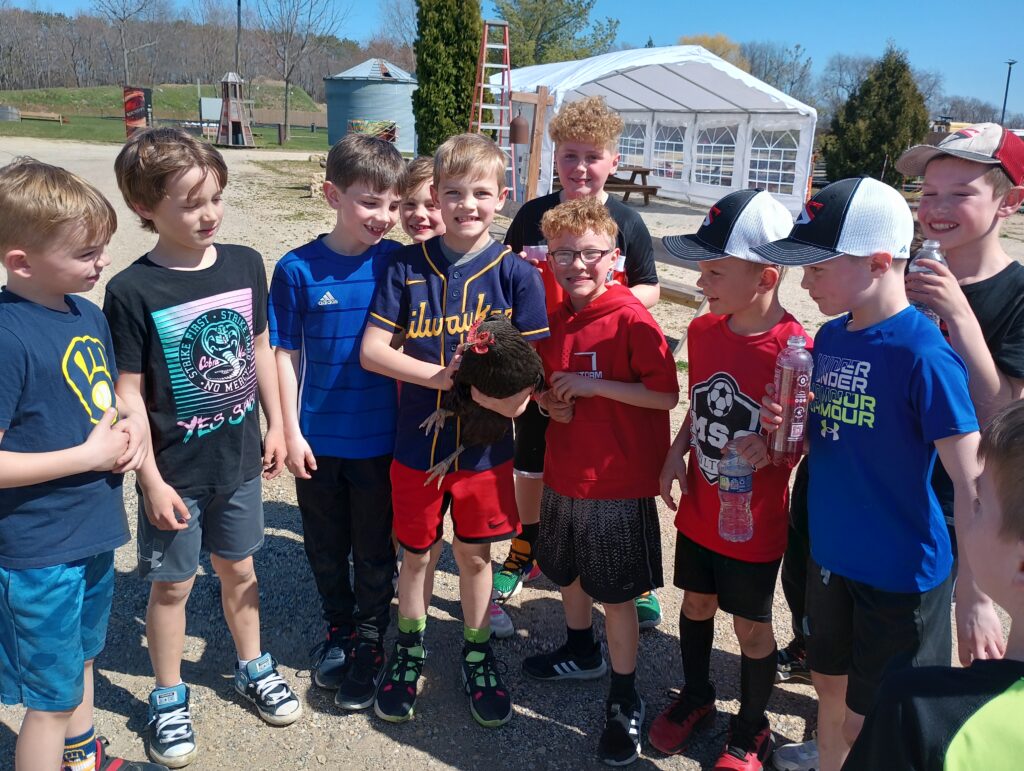
Direct Answer:
Getting kids off phones requires replacement, not restriction. Create compelling alternatives through outdoor activities, set consistent screen-free times, and model healthy habits yourself. Success comes from offering better dopamine sources—physical play, social connection, and real achievement—rather than fighting over device limits.
Quick Takeaways
- Screen addiction in kids is driven by dopamine loops, not weak willpower
- Restriction without replacement leads to power struggles and failure
- The most effective approach: offer compelling alternatives before removing screens
- Physical outdoor activities provide natural dopamine that replaces screen cravings
- Consistency matters more than perfection—start with one screen-free block daily
- Family participation makes screen reduction 3x more likely to succeed
- Kids need 60+ minutes of physical activity daily to regulate mood and attention
- Screen-free zones (meals, bedrooms, car rides) create natural boundaries
- Outdoor play centers provide easy, high-engagement alternatives for busy families
Table of Contents
- Why Kids Get Stuck on Screens
- The 3-Step Plan to Reduce Screen Time
- Your Screen-Free Weekend Template
- What Benefits Replace Screen Dopamine
- Activity-to-Benefit Guide
- How Much Screen Time Is Too Much?
- Best Screen-Free Activities by Age
- Making It Work in Janesville
- What to Do When Kids Resist
- People Also Ask: FAQs
Why Kids Get Stuck on Screens (And Why Willpower Isn’t Enough)
Screens are designed to be addictive. Tech companies employ teams of psychologists to maximize engagement. Every notification, like, and level-up triggers dopamine release in the brain [1].
Children’s developing brains are especially vulnerable. The prefrontal cortex—responsible for self-control—does not fully mature until age 25 [2]. Kids literally lack the brain wiring to resist engineered persuasion.
This is not a character flaw. It is biology meeting billion-dollar design.
Social media platforms use variable reward schedules. Kids never know when the next interesting video or message will arrive. This unpredictability creates the same compulsive checking behavior seen in gambling addiction [3].
Games employ achievement systems that provide constant feedback. Real life rarely offers such immediate rewards. A child completing homework gets no instant trophy. A kid mastering bike riding receives no points or badges.
Screens also offer escape. Anxious kids find temporary relief scrolling. Bored kids find instant entertainment. Lonely kids find connection, even if it is superficial [4].
Understanding the “why” changes the approach. You are not fighting your child’s laziness. You are competing with sophisticated psychological manipulation.
The solution is not stronger willpower. It is better alternatives.
What Actually Works: The 3-Step Plan to Reduce Screen Time
Step 1: Replace Before You Remove
Never take away screens without offering something better. This creates a void kids will resist filling.
Instead, introduce compelling alternatives first. Let new activities compete with screens naturally.
Start with one high-engagement activity per week. For many Janesville families, this means visiting Nature’s Touch Activity Center on Saturday mornings. The variety of activities—bounce pillows, pedal kart racing, obstacle courses—provides the stimulation kids crave.
Physical activities trigger natural dopamine release. Running, jumping, and climbing activate the same reward centers as screens, but with health benefits instead of harm [5].
Make alternatives easily accessible. Keep outdoor equipment ready. Schedule regular visits to activity destinations. Remove friction from the healthy choice.
Notice what captures your child’s attention. Some kids love competition (pedal kart races, GAGA ball). Others prefer creative play (sand pit, Toddler Town). Match activities to interests.
Step 2: Create Screen-Free Zones and Times
Boundaries work better than bans. Designate specific times and places as screen-free.
Effective screen-free zones:
- Family meals (all devices in another room)
- Bedrooms after 8 PM
- First hour after school
- Car rides under 30 minutes
- Weekend mornings until noon
Start with one zone and enforce it consistently. Add others gradually.
The American Academy of Pediatrics recommends device-free family meals [6]. This single change improves communication and reduces daily screen time by 20-45 minutes.
Create a family charging station away from bedrooms. All devices dock there overnight. Screen light suppresses melatonin production and disrupts sleep [7]. Kids who sleep with devices nearby get 20-45 minutes less sleep per night.
Screen-free mornings set a positive tone. Kids who start the day outside or with physical activity show better focus and mood throughout the day [8].
Step 3: Build New Habits Through Consistency
New routines take 2-3 weeks to feel normal. Expect resistance initially. Push through.
Use the same schedule weekly. Saturday mornings at the activity center. Wednesday evenings at the park. Sunday afternoons playing outdoor games.
Consistency removes daily negotiations. Kids stop asking when the pattern is established.
Track progress visually. Use a simple calendar. Mark screen-free days with stickers or checkmarks. Kids respond well to visual feedback.
Celebrate small wins. After one screen-free weekend, acknowledge the achievement. After two weeks of family dinners without devices, do something special.
Model the behavior you want. Parents who check phones constantly cannot expect kids to disconnect. Put your own device down during family time.
Family participation matters enormously. Research shows kids are three times more likely to maintain screen limits when parents participate in alternative activities [9].
Your Screen-Free Weekend Template
This template works for most families. Adjust times based on your schedule.
Saturday Morning (9 AM – 12 PM)
Physical activity block. Visit Nature’s Touch Activity Center, go to a park, or create backyard games. Let kids choose activities once you arrive. Bring water and snacks. Stay the full three hours—kids need time to fully engage.
Saturday Afternoon (1 PM – 3 PM)
Creative or quiet play. Build with blocks, do art projects, read books, or play board games. If weather permits, do these activities outside. The goal is lower energy but still screen-free.
Saturday Evening (5 PM – 8 PM)
Family time. Cook dinner together. Play cards or outdoor games before dark. Share stories about the day. One hour of approved screen time can happen here if needed, but after physical and social time.
Sunday Morning (9 AM – 11 AM)
Explore something new. Visit a different park. Try a new outdoor activity. Invite another family to join. Novel experiences keep kids engaged.
Sunday Afternoon (1 PM – 4 PM)
Unstructured outdoor play. Let kids direct their own activities. Provide loose parts—balls, ropes, chalk. Do not organize every moment. Boredom leads to creativity.
Sunday Evening (5 PM – 8 PM)
Prepare for the week. Involve kids in meal prep. Do a family walk. Wind down with calm activities. Limit screens to one hour maximum.
This template provides 12-15 hours of screen-free time across the weekend. That is enough to reset habits and mood without feeling extreme.
What Benefits Replace Screen Dopamine
When kids disconnect from screens, they gain tangible benefits that feel rewarding.
Physical confidence grows. Mastering the obstacle course or winning a pedal kart race builds real competence. Unlike game achievements, these skills transfer to other areas of life [10].
Real friendships form. Playing GAGA ball or racing on bounce pillows requires communication and cooperation. Kids learn to navigate conflict, share equipment, and celebrate others’ success. These are skills video chats cannot teach.
Stress regulation improves. Physical activity reduces cortisol—the stress hormone—more effectively than scrolling [11]. Kids who play outside regularly handle frustration and disappointment better.
Attention span extends. Outdoor environments require “soft fascination.” This type of attention restores the brain’s capacity to focus, unlike screens which deplete it [12].
Sleep quality increases. Physical exhaustion from active play promotes deeper sleep. Kids fall asleep faster and wake less during the night [13].
Creativity expands. Without constant digital stimulation, kids invent games and stories. The sand pit becomes a construction site. Toddler Town transforms into a restaurant or school.
Family bonds strengthen. Shared outdoor experiences create positive memories. Parents and kids connect through play rather than sitting side-by-side staring at separate screens.
These benefits accumulate quickly. Most families notice mood and behavior improvements within one week of consistent screen reduction.
Activity-to-Benefit Guide: What Each Experience Builds
Bounce Pillows
- Gross motor development and core strength
- Cardiovascular fitness and endurance
- Mood elevation through physical exertion
- Vestibular stimulation and balance
- Joyful play that releases natural endorphins
Pedal Kart Tracks
- Leg strength and coordination
- Spatial awareness and navigation skills
- Healthy competition and sportsmanship
- Goal-setting and achievement
- Decision-making at speed
GAGA Ball Pits
- Social confidence in group settings
- Teamwork and communication
- Quick reflexes and hand-eye coordination
- Strategic thinking and adaptation
- Inclusive play that welcomes all skill levels
Obstacle Course
- Resilience through manageable challenges
- Problem-solving and planning
- Physical coordination and body awareness
- Confidence from completing difficult tasks
- Persistence and determination
Charlotte’s Web (Giant Spider Web)
- Upper body strength and grip
- Risk assessment and courage
- Three-dimensional spatial reasoning
- Overcoming fear through incremental progress
Fishing Ponds
- Patience and delayed gratification
- Focus and sustained attention
- Fine motor skills and hand-eye coordination
- Emotional regulation during waiting
- Connection with natural cycles
Toddler Town (Playhouses)
- Imaginative play and storytelling
- Language development through role-play
- Social scripts and cooperation
- Executive function through pretend scenarios
- Creativity and flexible thinking
Sand Pit
- Sensory exploration and integration
- Fine motor development through manipulation
- Creative building and experimentation
- Calm focus and stress relief
- Open-ended play without rules
Tractor Train Ride
- Shared family experience and conversation
- Observation skills and curiosity
- Relaxation and enjoyment
- Accessibility for all ages and abilities
Sports Throws (Basketball, Football)
- Hand-eye coordination and aim
- Upper body strength and throwing mechanics
- Competence through skill practice
- Self-challenge and improvement tracking
Classic Lawn Games (Checkers, Chess, Connect Four, Cornhole, Ladder Toss)
- Strategic thinking and planning
- Patience and turn-taking
- Cognitive flexibility and adaptation
- Social interaction and conversation
- Graceful winning and losing
Tetherball
- Timing and rhythm
- Quick decision-making
- Active play that elevates heart rate
- One-on-one social engagement
Lasso a Bull Stations
- Fine motor control and coordination
- Persistence through repeated attempts
- Satisfaction from mastering a skill
- Connection to cultural activities and history
Each activity offers multiple developmental benefits. Kids gain more from 30 minutes on the obstacle course than 3 hours gaming.
How Much Screen Time Is Too Much?
Health organizations provide clear guidelines, but most American kids exceed them significantly.
The American Academy of Pediatrics recommends [6]:
- Ages 2-5: Maximum 1 hour per day of high-quality programming
- Ages 6+: Consistent limits that do not interfere with sleep, physical activity, or family time
Reality looks different. Children ages 8-12 average 4-6 hours of screen entertainment daily [14]. Teens average 7-9 hours [14].
This does not include school-related screen use, which adds 2-4 hours for many kids.
Warning signs of excessive screen time:
- Irritability when devices are removed
- Neglecting responsibilities or hobbies
- Sleep problems or fatigue
- Declining physical activity
- Social withdrawal from family
- Declining academic performance
- Physical complaints (headaches, eye strain, neck pain)
Even two hours daily of recreational screen time correlates with attention problems, lower test scores, and increased anxiety [15].
The goal is not zero screens. It is balanced use. Screens should not crowd out physical activity, face-to-face socializing, outdoor play, and sleep.
For most families, screen time reduction of 50% provides dramatic benefits without feeling punishing.
Best Screen-Free Activities for Different Ages
Toddlers and Preschoolers (Ages 2-5)
Young children need sensory-rich, physical experiences. Their brains develop through movement and exploration.
Effective activities:
- Toddler Town playhouses for imaginative play
- Sand pit for sensory exploration
- Playground equipment for climbing and sliding
- Duck races for cause-and-effect learning
- Hula hoops for gross motor practice
- Simple throwing and catching games
Toddlers have short attention spans. Provide variety within one location. Nature’s Touch offers enough activity diversity to keep young children engaged for 2+ hours.
Avoid organized instruction. Free play builds creativity better than adult-led activities.
Elementary Ages (6-10)
School-age kids need physical challenges and social opportunities. They crave competence and belonging.
Effective activities:
- Bounce pillows for high-energy release
- Pedal kart racing for competition
- GAGA ball for team play
- Obstacle course for achievement
- Fishing for patience development
- Classic lawn games for strategy
- Tetherball for active one-on-one play
This age group benefits from activities they can master over multiple visits. Seeing improvement—faster kart times, longer fishing catches—motivates continued participation.
Mix competitive and cooperative activities. Some kids thrive on racing. Others prefer collaborative play.
Tweens and Teens (11+)
Older kids need activities that feel age-appropriate and social. They respond to real challenges and peer connection.
Effective activities:
- Pedal kart tracks for speed and competition
- Charlotte’s Web for physical challenge
- GAGA ball for social group play
- Sports throw stations for skill building
- Chess and checkers for strategic thinking
- Obstacle course for timed challenges
Invite friends. Teens are more likely to participate when peers join.
Allow independence. Tweens and teens do not want constant parental supervision. Outdoor activity centers provide supervised freedom.
Connect activities to interests. A teen interested in engineering might enjoy analyzing kart mechanics. A future architect might design obstacle course improvements.
Making It Work in Janesville and Southern Wisconsin
Southern Wisconsin offers year-round outdoor opportunities. Location is not the barrier—habit is.
Nature’s Touch Activity Center in Janesville provides a ready-made solution for Rock County families. The 3-acre destination eliminates planning friction. Show up and choose from over 20 activities.
The variety matters. Kids who get bored at traditional playgrounds stay engaged for hours when multiple options exist. One child fishes while another races karts. Siblings of different ages all find appropriate challenges.
Seasonal operation (spring through fall) aligns with when kids need outdoor time most. Summer screen time spikes without structured alternatives. Weekly visits create positive routines.
Central location serves Janesville, Beloit, Milton, Edgerton, and surrounding communities. Families from Madison often stop on weekend trips. Those visiting Wisconsin Dells include it in their itinerary.
The investment pays returns beyond the visit day. Kids who experience engaging outdoor play return to it naturally. They ask to go outside rather than defaulting to screens.
For busy parents, convenience drives consistency. When healthy choices require less effort than unhealthy ones, families succeed.
Explore our full activity list and seasonal hours to plan your first screen-free weekend.
What to Do When Kids Resist
Expect pushback initially. Kids accustomed to screen dopamine will resist alternatives. This is normal.
Do not negotiate in the moment. Set screen limits when everyone is calm. Explain changes a day in advance. Once announced, hold the boundary.
Acknowledge feelings without giving in. “I know you are frustrated the tablet is off. We are heading to the activity center instead.” Validate emotion while maintaining the plan.
Let boredom happen. Kids trained on constant stimulation will claim boredom. Do not rush to fix it. Boredom precedes creativity. Wait it out.
Start small and build. Do not eliminate all screens immediately. Begin with one screen-free morning weekly. Success builds momentum better than failure from overambition.
Involve kids in planning. Ask which outdoor activities interest them most. Giving choices within your structure reduces resistance.
Model the behavior. Parents scrolling phones while asking kids to play outside create resentment. Put your device down. Participate.
Connect with other families. Kids resist less when friends participate. Coordinate with other families for group activity center visits.
Celebrate effort, not just success. After one screen-free day, acknowledge everyone’s participation. Positive reinforcement works better than punishment.
Be patient with the transition. Brain chemistry takes 2-3 weeks to adjust. The first week is hardest. Push through.
Research shows that 80% of families who maintain screen limits for three consecutive weeks continue long-term [16]. The initial resistance fades.
People Also Ask: Screen Time FAQs
How do I get my child off their phone without fighting?
Offer compelling alternatives before removing devices. Take kids to engaging outdoor destinations like Nature’s Touch Activity Center. Create screen-free times rather than all-or-nothing bans. Model healthy device use yourself. When better options exist, kids resist less.
What are good alternatives to screen time for kids?
Physical outdoor activities provide the best screen alternatives. Bounce pillows, pedal kart racing, obstacle courses, and group games offer natural dopamine release. Creative play like sand pits and playhouses engages imagination. Social activities like GAGA ball build real friendships. These experiences satisfy the same needs screens artificially fill.
How much screen time is healthy for a 10-year-old?
The American Academy of Pediatrics recommends consistent limits that preserve time for sleep, physical activity, and family connection. For most 10-year-olds, 1-2 hours of recreational screen time daily is appropriate. This excludes school-related technology use. Prioritize screen-free family meals and device-free bedrooms.
Why is my kid addicted to their phone?
Phones trigger dopamine release through notifications, social feedback, and variable rewards. Apps are engineered to maximize engagement using the same psychological principles as gambling. Children’s developing brains lack full impulse control, making them especially vulnerable to designed persuasion. This is biology, not character weakness.
What happens if kids spend too much time on screens?
Excessive screen time correlates with sleep problems, attention difficulties, anxiety, and depression. Physical effects include eye strain, headaches, and reduced fitness. Kids may show declining academic performance, social withdrawal, and irritability. Screen time displacing outdoor play prevents essential developmental experiences.
How do you break a child’s screen addiction?
Replace screen time with high-engagement alternatives gradually. Create consistent screen-free zones and times. Involve the whole family in outdoor activities. Remove devices from bedrooms. Offer compelling physical play that provides natural dopamine. Be patient—brain chemistry takes 2-3 weeks to adjust.
What outdoor activities help reduce screen time?
Activities requiring physical movement and social engagement work best. Bounce pillows, pedal karts, and obstacle courses provide high stimulation. Team games like GAGA ball build connection. Creative options like sand play and playhouses engage imagination. Variety within one location maintains interest longer.
Should I take my kid’s phone away completely?
Complete removal usually backfires through extreme resistance and secrecy. Instead, create boundaries through screen-free times and zones. Remove phones from bedrooms overnight. Establish device-free family meals. Limit recreational use to 1-2 hours daily. Gradual reduction with compelling alternatives succeeds better than confiscation.
How do I get my teenager off social media?
Teens respond better to autonomy than control. Discuss research on social media’s mental health impacts. Offer appealing alternative activities with peers. Create natural phone-free times through family outings. Model healthy social media use yourself. Connect screen limits to goals they value, like sleep quality or sports performance.
What are signs of too much screen time in children?
Warning signs include irritability when devices are removed, neglecting hobbies or responsibilities, sleep problems, declining physical activity, and social withdrawal. Physical symptoms may include headaches, eye strain, or neck pain. Academic struggles, increased anxiety, and loss of interest in previously enjoyed activities also indicate excessive use.
How long should kids play outside each day?
Health organizations recommend at least 60 minutes of moderate to vigorous physical activity daily for school-age children. More is better. Kids benefit from 2-3 hours of outdoor play, especially when it replaces screen time. Toddlers and preschoolers need 180 minutes of varied physical activity throughout the day.
What are the benefits of outdoor play over screen time?
Outdoor play provides physical fitness, natural vitamin D, and immune system strengthening. It improves focus, reduces anxiety, and supports better sleep. Kids develop real social skills, creativity, and problem-solving abilities. Physical activity releases natural dopamine without the addictive qualities of screen rewards.
Where can kids play outside in Janesville, Wisconsin?
Janesville offers city parks, playgrounds, and Nature’s Touch Activity Center. Nature’s Touch provides 3 acres with over 20 screen-free activities including bounce pillows, pedal kart tracks, fishing ponds, obstacle courses, and classic lawn games. The variety keeps children engaged across all ages.
How do I make screen-free time more appealing?
Choose high-engagement activities that match your child’s interests. Visit destinations with variety like multi-activity centers. Invite friends to join. Participate as a family rather than just supervising. Start with activities kids choose themselves. Make outdoor play easily accessible by reducing planning barriers.
What should kids do instead of playing video games?
Physical outdoor activities provide similar engagement with health benefits. Pedal kart racing offers competition and speed. Obstacle courses provide challenges and achievement. GAGA ball and other group games offer social connection. Creative play like building in sand pits or imaginative play in structures satisfies exploration needs.
Can outdoor activities help kids with ADHD reduce screen time?
Yes. Research shows outdoor physical activity significantly improves ADHD symptoms including attention span and impulse control. Activities requiring gross motor movement help regulate sensory systems. The variety of outdoor play maintains interest better than single-focus activities. Many families report reduced medication needs with consistent outdoor time.
How do working parents reduce kids’ screen time?
Plan screen-free blocks during time together—mornings, after work, and weekends. Use weekends for longer outdoor adventures. Visit activity centers that provide multiple hours of engagement. Create simple rules like “screens off during family dinner.” Involve kids in meal prep and household tasks as screen alternatives.
What are screen-free activities for rainy days?
Indoor alternatives include board games, building with blocks or LEGO, art projects, cooking together, reading, and active indoor play. Save outdoor activities for good weather. Many outdoor play centers like Nature’s Touch operate seasonally during optimal weather months, maximizing outdoor time when conditions allow.
Start Your Screen-Free Journey at Nature’s Touch
Breaking phone habits requires better alternatives. Nature’s Touch Activity Center provides exactly that.
This 3-acre outdoor destination in Janesville offers over 20 hands-on activities designed for screen-free engagement. Kids arrive focused on devices. They leave tired, happy, and talking about their next visit.
The bounce pillows alone provide 30+ minutes of cardiovascular activity. Kids jump until genuinely exhausted—the healthy kind that leads to sound sleep.
Pedal kart tracks offer two separate courses. Children race friends, challenge themselves to faster times, and build leg strength. The competition satisfies the achievement drive that games artificially create.
GAGA ball pits provide group play that builds real friendships. Kids communicate, strategize, and cooperate. These are skills video chats cannot teach.
The obstacle course presents physical challenges kids can master over multiple visits. Seeing improvement motivates continued effort. Real competence develops.
Charlotte’s Web—a giant spider web climbing structure—requires courage and upper body strength. Kids who conquer it gain genuine confidence.
Two fishing ponds teach patience and focus. The waiting builds delayed gratification skills. The catch provides tangible reward.
Toddler Town offers age-appropriate playhouses where young children engage in imaginative play. They create restaurants, schools, and homes. Language and creativity flourish.
The sand pit provides sensory-rich creative building. No instructions, no rules, no winning or losing. Pure exploration.
Classic lawn games including oversized checkers and chess, Connect Four, cornhole, and ladder toss offer strategic thinking without screens. Family members of all ages play together.
Sports throw stations let kids practice basketball and football skills. Tetherball provides active one-on-one competition. Lasso stations teach coordination through repeated practice.
The playground and additional activities ensure something for every interest and energy level.
Most families stay 2-3 hours. The variety maintains engagement far longer than single-activity parks.
Nature’s Touch serves families throughout Southern Wisconsin. Located in Janesville, it draws visitors from Rock County, Milton, Beloit, Edgerton, and beyond. Madison families include it in weekend plans. Wisconsin Dells visitors often stop by.
The seasonal operation (spring through fall) aligns perfectly with when kids need outdoor time most. Summer screen time explodes without structured alternatives. Weekly visits create healthy routines.
Plan Your Screen-Free Visit — Nature’s Touch Activity Center offers the variety and engagement kids need to forget about phones. Check our seasonal hours and admission information and plan your first screen-free weekend in Janesville.
Book Your Group or Birthday Party — Give kids the gift of screen-free celebration. Nature’s Touch hosts birthday parties, school groups, church outings, and family reunions. Contact us about group bookings for private access to 3 acres of outdoor fun.
References
[1] Montag, C., & Walla, P. (2016). Carpe diem instead of losing your social mind: Beyond digital addiction and why we all suffer from digital overuse. Cogent Psychology, 3(1), 1157281. https://www.tandfonline.com/doi/full/10.1080/23311908.2016.1157281
[2] National Institute of Mental Health. (2020). The Teen Brain: 7 Things to Know. https://www.nimh.nih.gov/health/publications/the-teen-brain-7-things-to-know
[3] Alter, A. (2017). Irresistible: The Rise of Addictive Technology and the Business of Keeping Us Hooked. Penguin Press.
[4] Twenge, J. M., & Campbell, W. K. (2018). Associations between screen time and lower psychological well-being among children and adolescents: Evidence from a population-based study. Preventive Medicine Reports, 12, 271-283. https://www.sciencedirect.com/science/article/pii/S2211335518301827
[5] Heyman, E., et al. (2012). Intense exercise increases circulating endocannabinoid and BDNF levels in humans—possible implications for reward and depression. Psychoneuroendocrinology, 37(6), 844-851.
[6] American Academy of Pediatrics. (2016). Media and Young Minds. Pediatrics, 138(5), e20162591. https://pediatrics.aappublications.org/content/138/5/e20162591
[7] Hale, L., & Guan, S. (2015). Screen time and sleep among school-aged children and adolescents: A systematic literature review. Sleep Medicine Reviews, 21, 50-58.
[8] Kuo, F. E., & Taylor, A. F. (2004). A potential natural treatment for attention-deficit/hyperactivity disorder: Evidence from a national study. American Journal of Public Health, 94(9), 1580-1586.
[9] Gentile, D. A., et al. (2014). Protective effects of parental monitoring of children’s media use: A prospective study. JAMA Pediatrics, 168(5), 479-484.
[10] Diamond, A., & Lee, K. (2011). Interventions shown to aid executive function development in children 4 to 12 years old. Science, 333(6045), 959-964.
[11] Roe, J., & Aspinall, P. (2011). The restorative benefits of walking in urban and rural settings in adults with good and poor mental health. Health & Place, 17(1), 103-113.
[12] Berman, M. G., Jonides, J., & Kaplan, S. (2008). The cognitive benefits of interacting with nature. Psychological Science, 19(12), 1207-1212.
[13] Wright, K. P., et al. (2013). Entrainment of the human circadian clock to the natural light-dark cycle. Current Biology, 23(16), 1554-1558.
[14] Common Sense Media. (2019). The Common Sense Census: Media Use by Tweens and Teens. https://www.commonsensemedia.org/research/the-common-sense-census-media-use-by-tweens-and-teens-2019
[15] Ra, C. K., et al. (2018). Association of digital media use with subsequent symptoms of attention-deficit/hyperactivity disorder among adolescents. JAMA, 320(3), 255-263.
[16] Radesky, J. S., et al. (2016). Patterns of mobile device use by caregivers and children during meals in fast food restaurants. Pediatrics, 133(4), e843-e849.